A closed-loop MLOps platform for credit risk, not a notebook of models: eleven from-scratch statistical techniques for the scoring question itself, wired into fifteen more that detect drift, retrain, deploy, canary-test, cut over, monitor realized performance, and audit the whole system — honestly, including the state where retraining fired and nobody closed the loop yet.
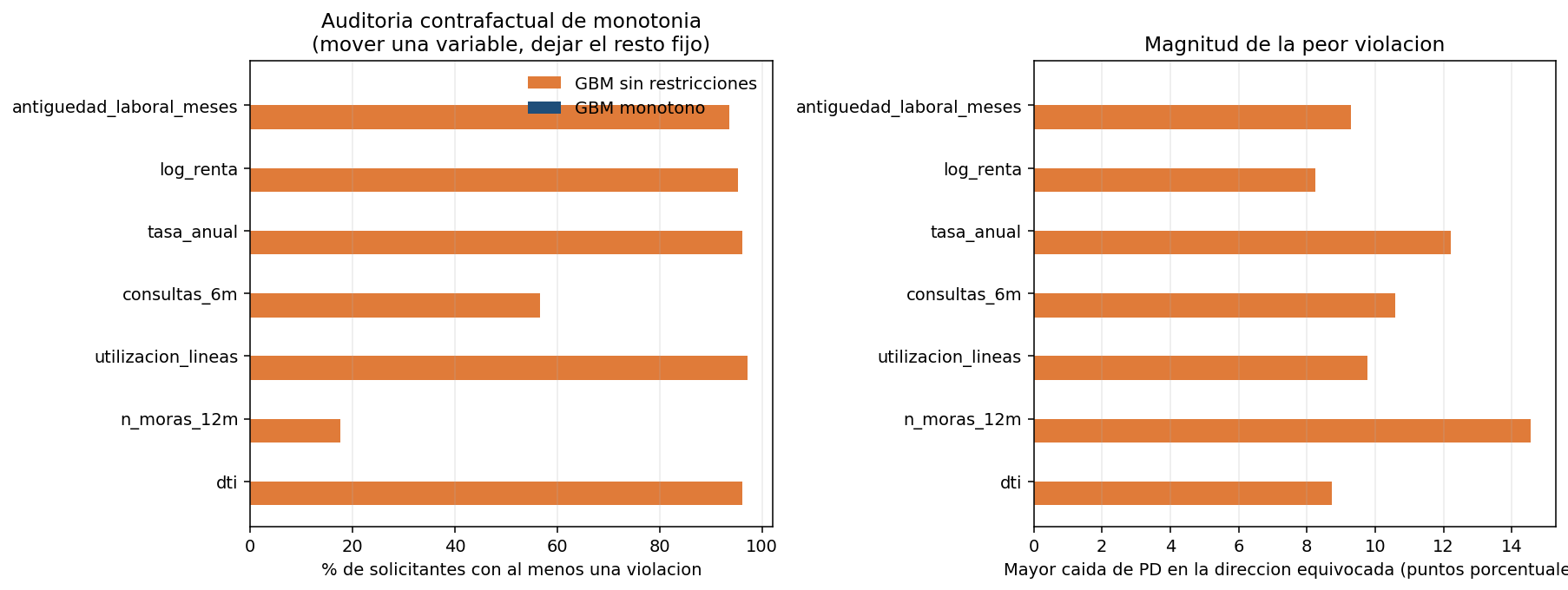
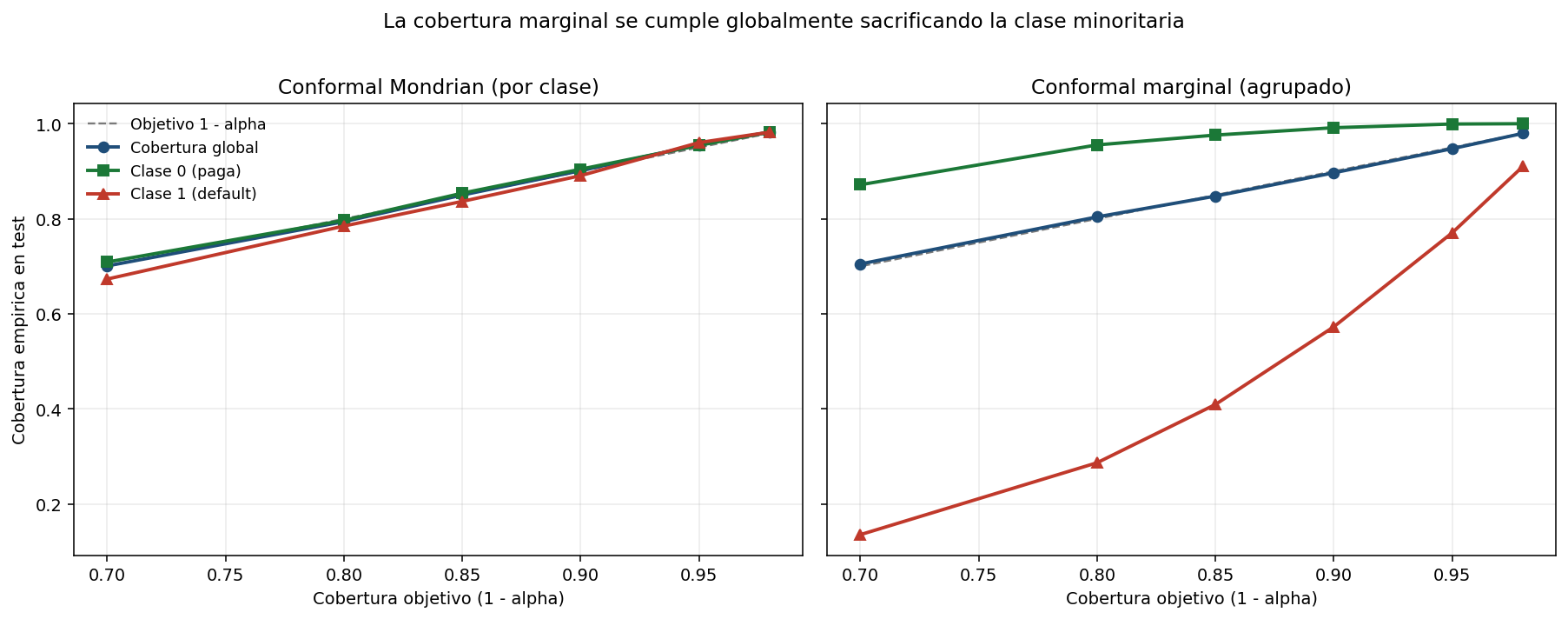
*The unconstrained model violates monotonicity for up to 97.6% of applicants on*Why the class-conditional (Mondrian) variant matters. Left: coverage tracks the
06 · Optimal-binning scorecard
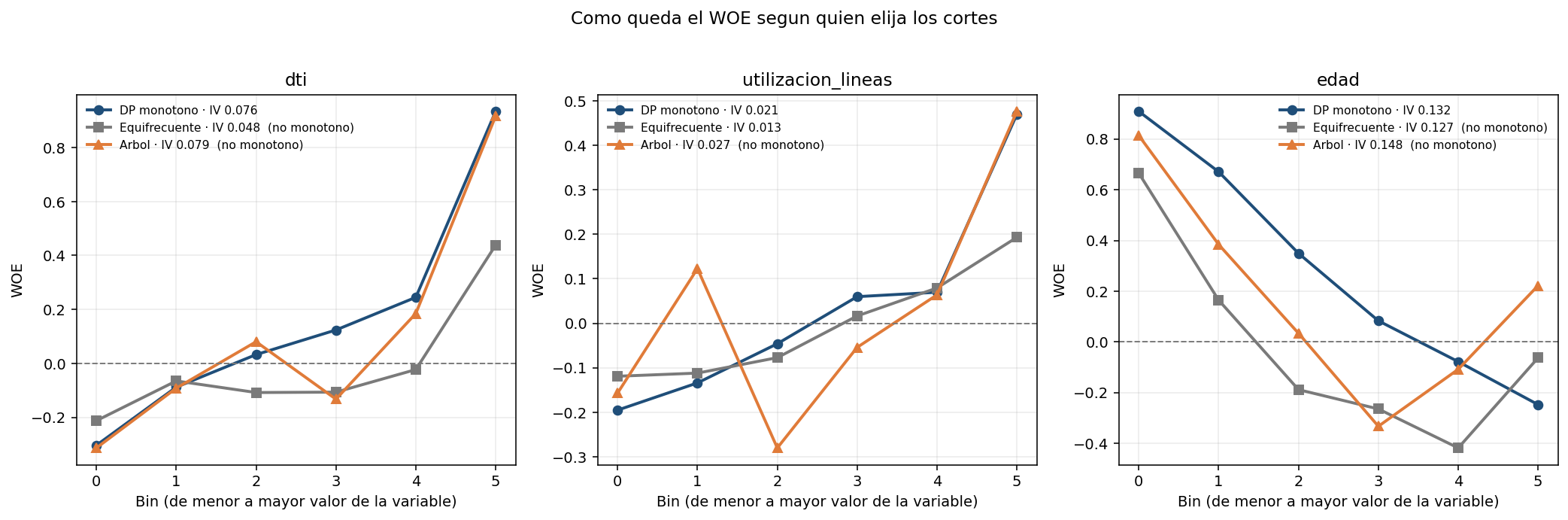
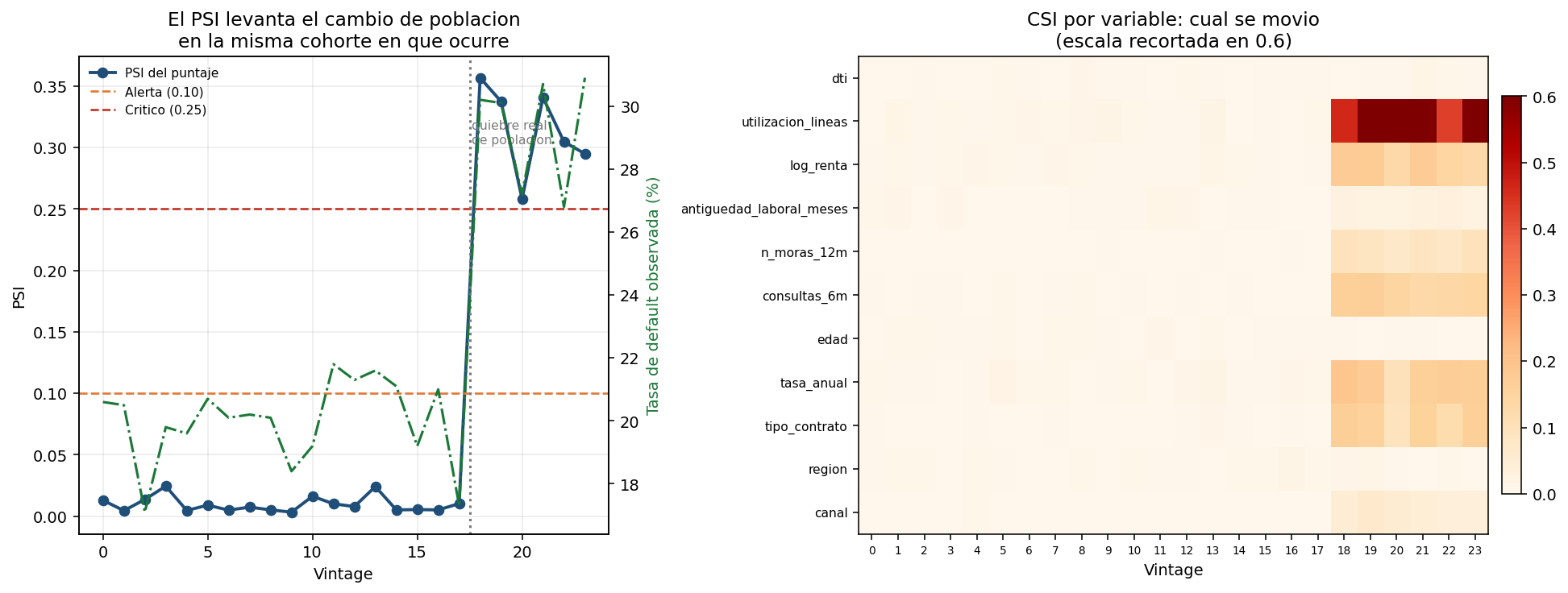
*The same three variables, cut three ways. The DP produces a clean monotone WOE*Left: PSI stays under 0.025 for eighteen stable vintages — no false alarms —
07 · Fair lending bias audit
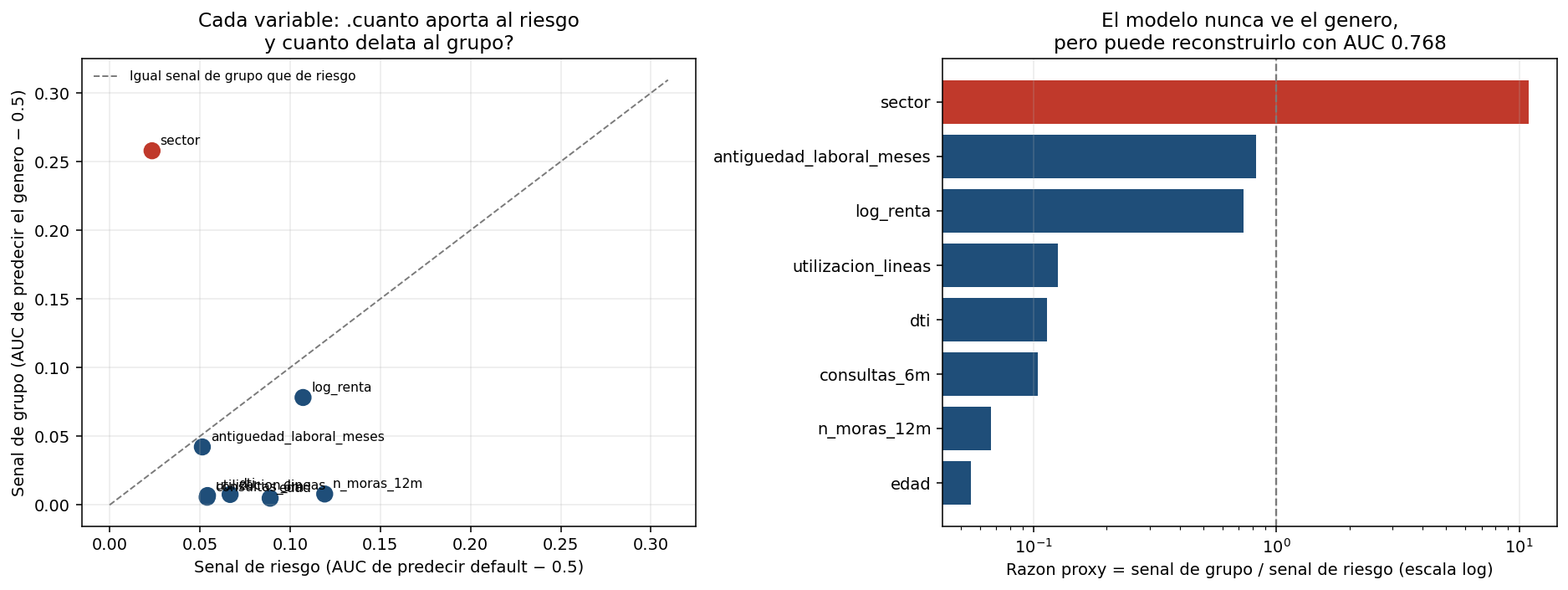
*Left: each feature's group signal against its risk signal. Everything sits
08 · Differentially private scoring
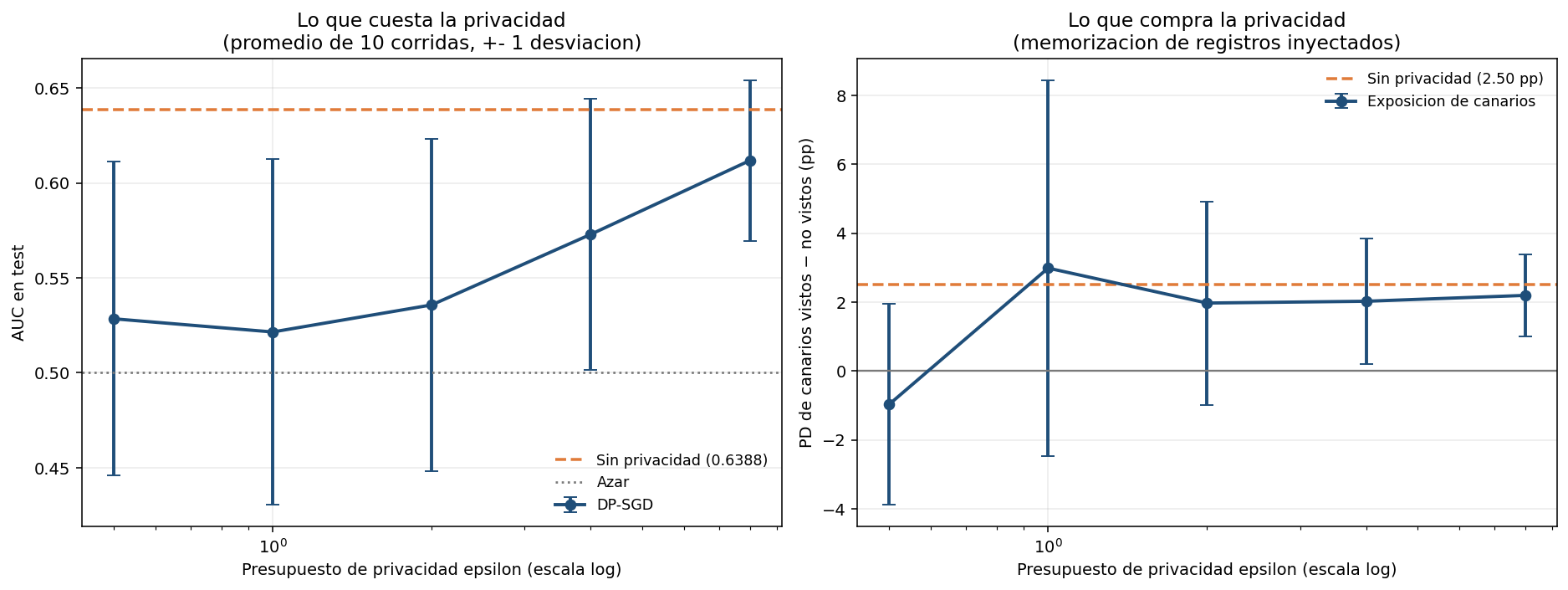
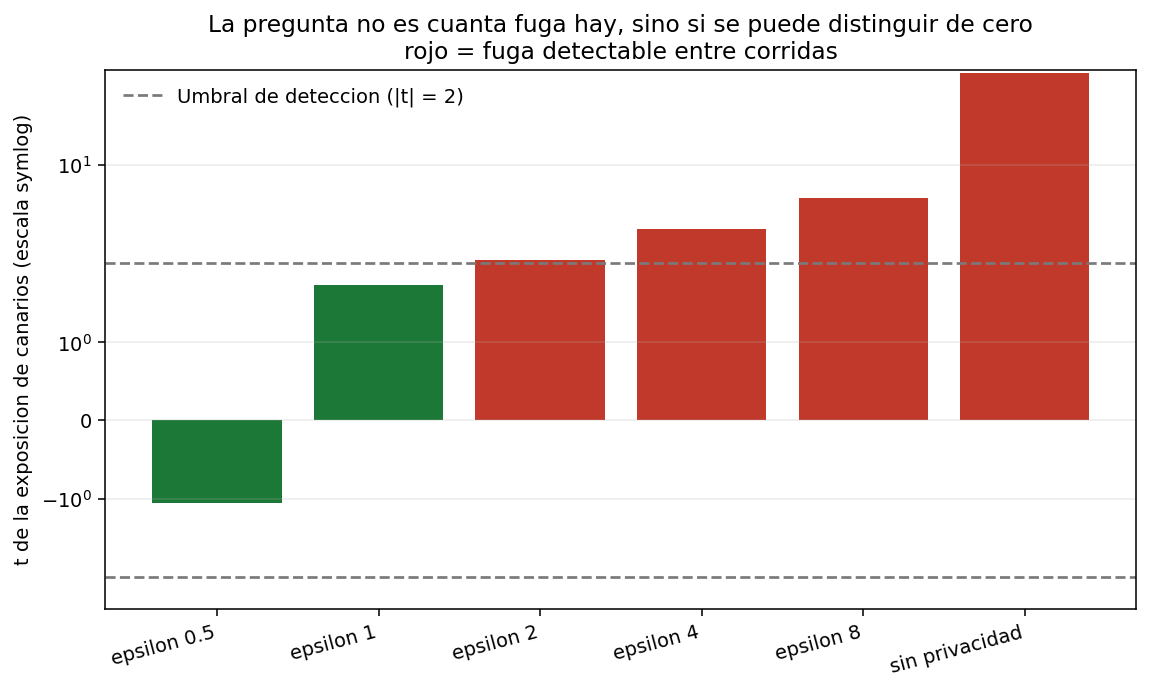
*Left: what privacy costs — AUC against ε, averaged over ten independent runs*The same data asked properly: not "how much leakage" but "can it be told apart
09 · Reject inference & selection bias
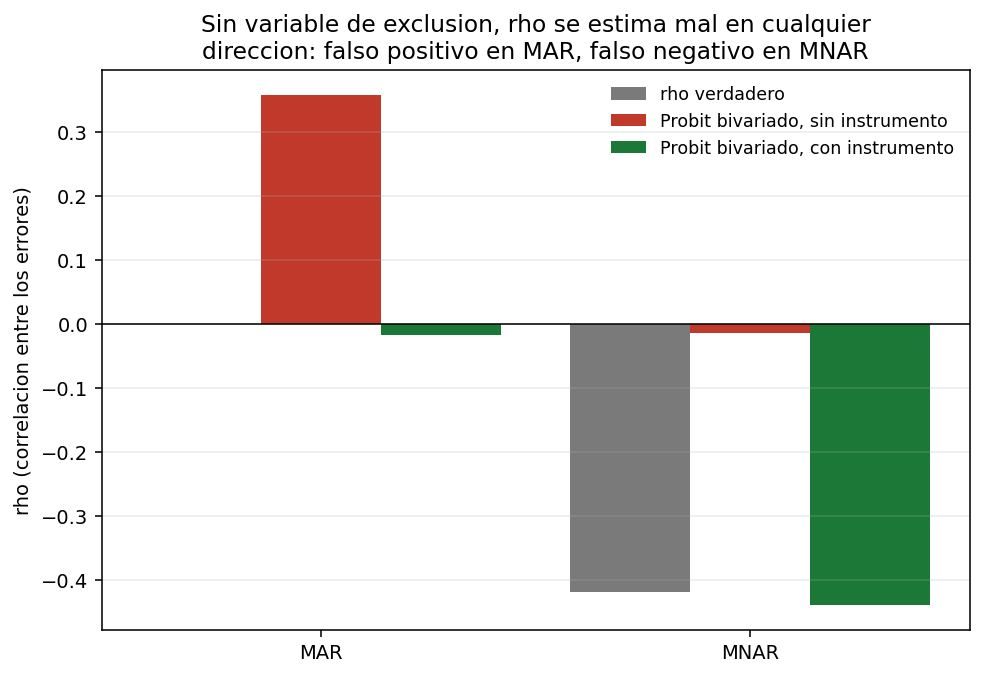
*Grey is the truth. Without an exclusion restriction (red) the model invents
10 · Through-the-cycle vs. point-in-time PD
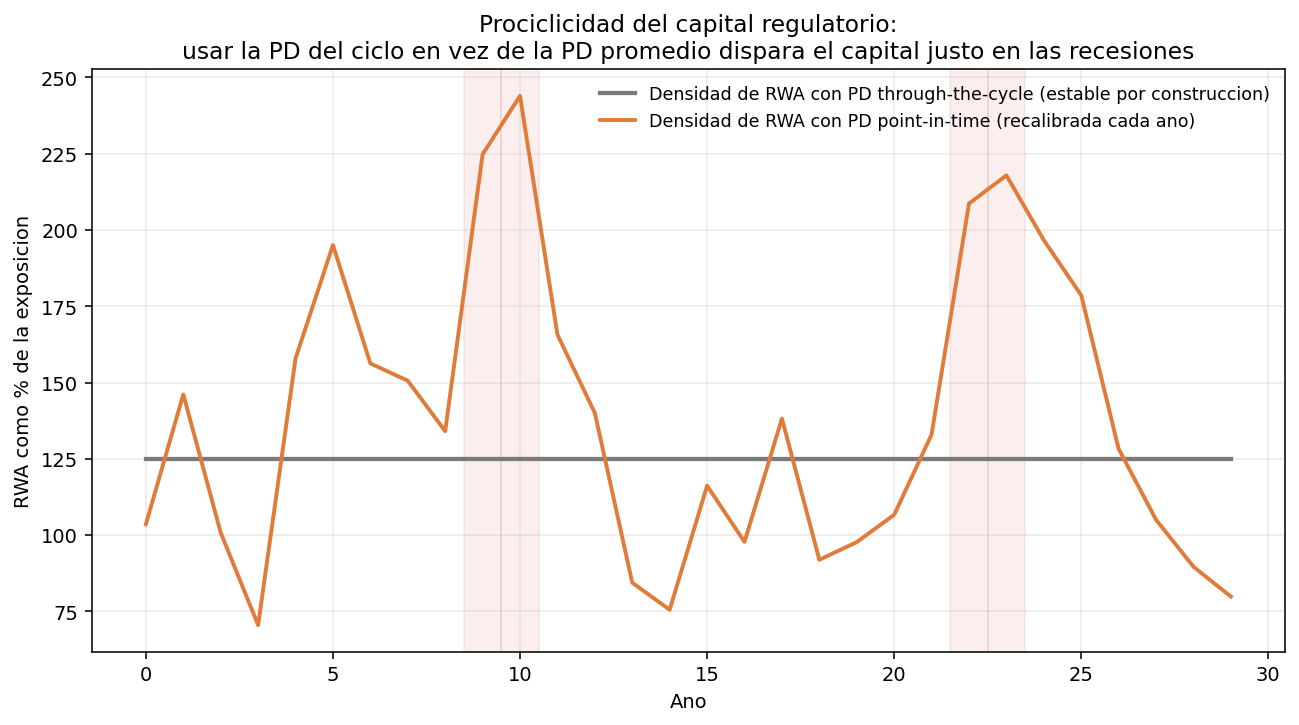
*Grey: RWA density using the through-the-cycle PD — flat by construction.
11 · Federated credit scoring
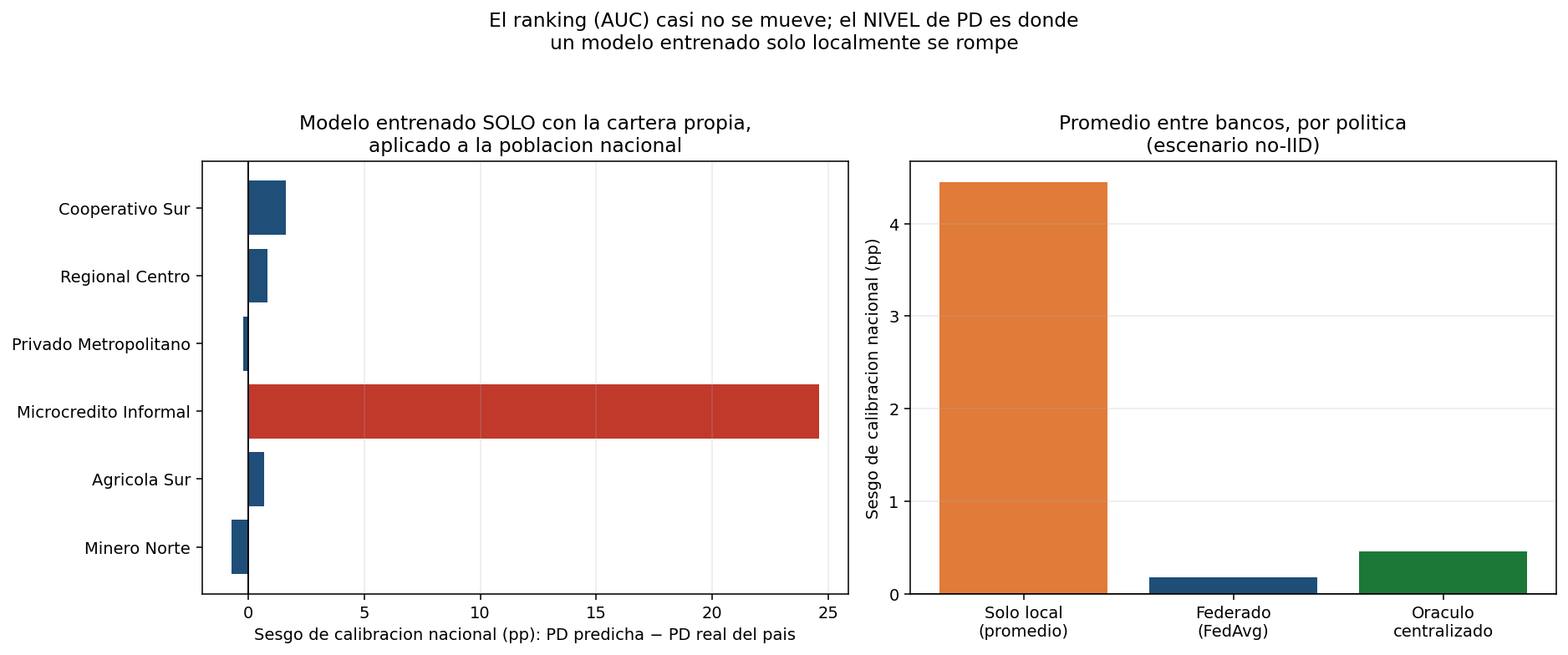
*Left: each bank's own model, trained only on its own customers, applied to