Predictive Digital Twin for SAG Mill Energy Efficiency in Copper Mining

A digital twin that fuses noisy ore-hardness sensors with a **Kalman

This page shows the project's results. The methodology, the design decisions and the limitations are documented in the repository's README.

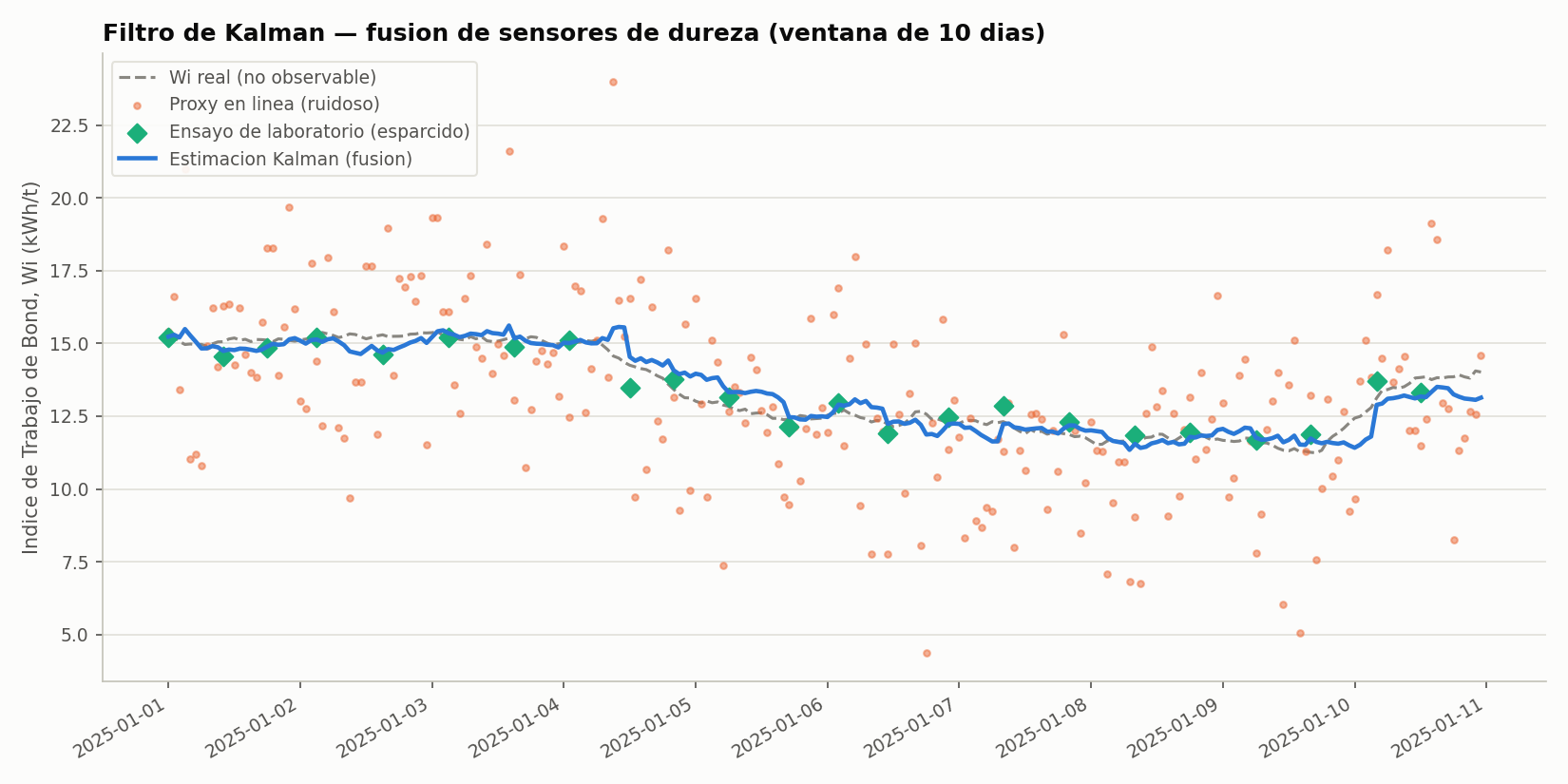
7.1 Kalman Filter — hardness sensor fusion
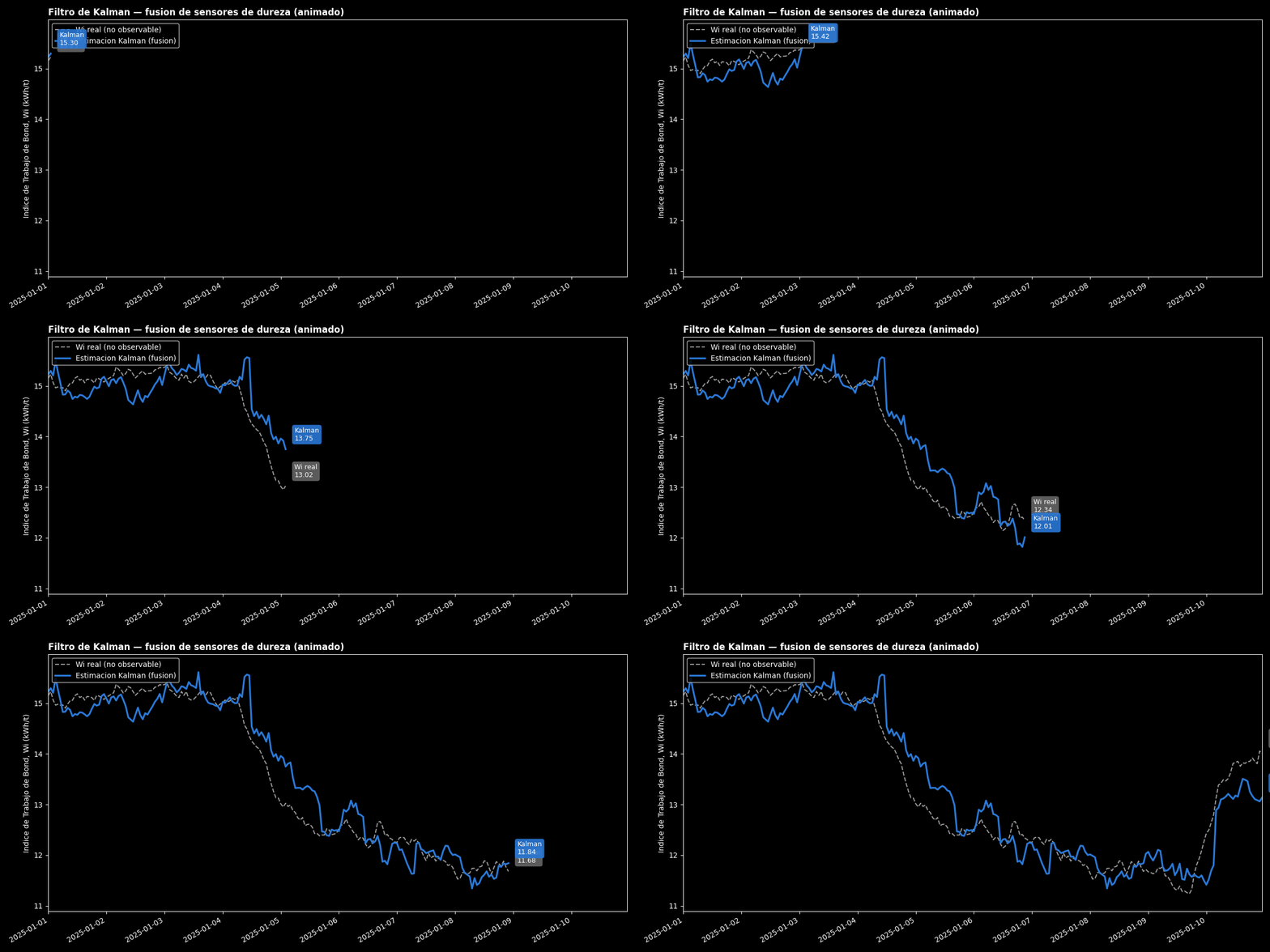
Kalman Filter animated
Kalman Filter

7.2 Exploratory analysis — correlations
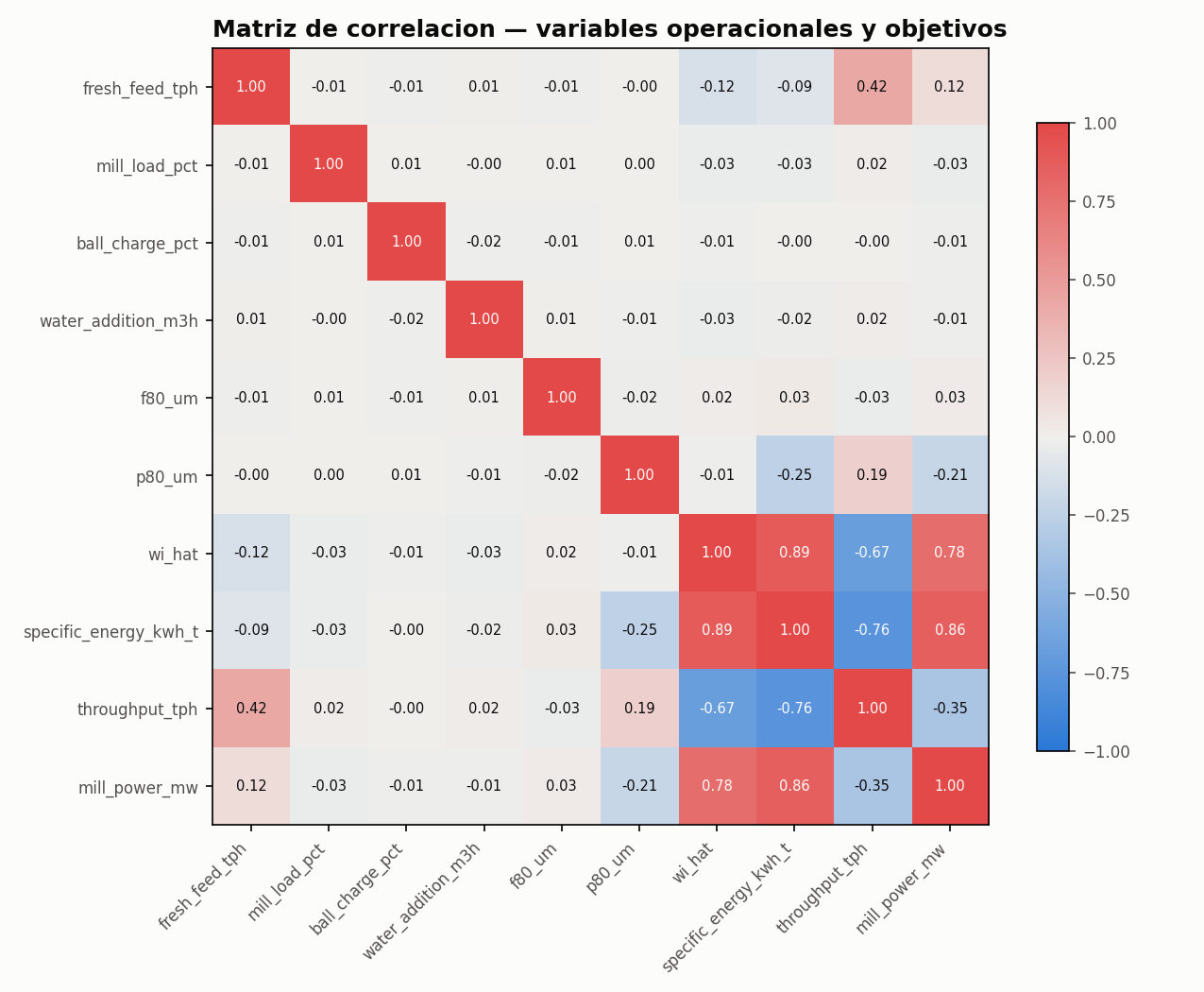
Correlation matrix
The Kalman estimate (wi_hat) correlates 0.89 with true specific energy

7.3 Multi-output model — model comparison
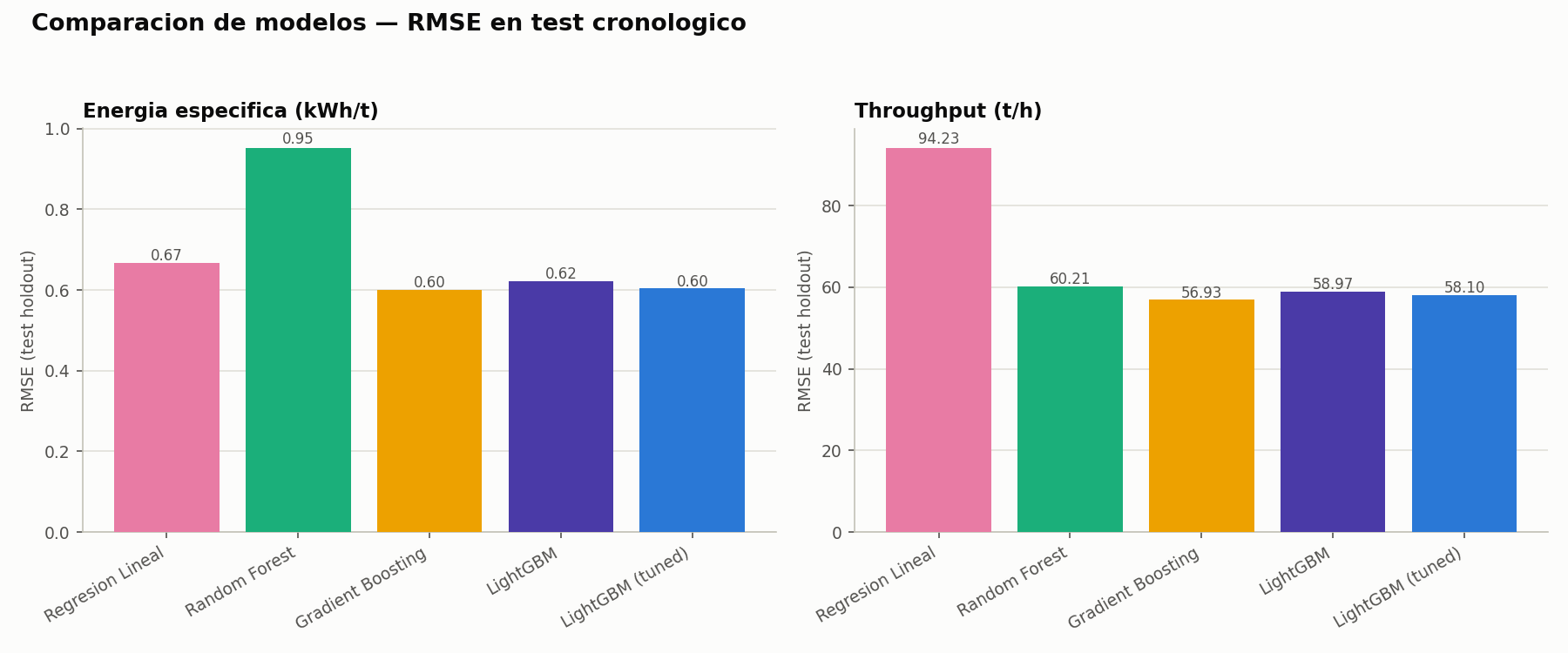
Model comparison

7.4 Feature importance (best model)
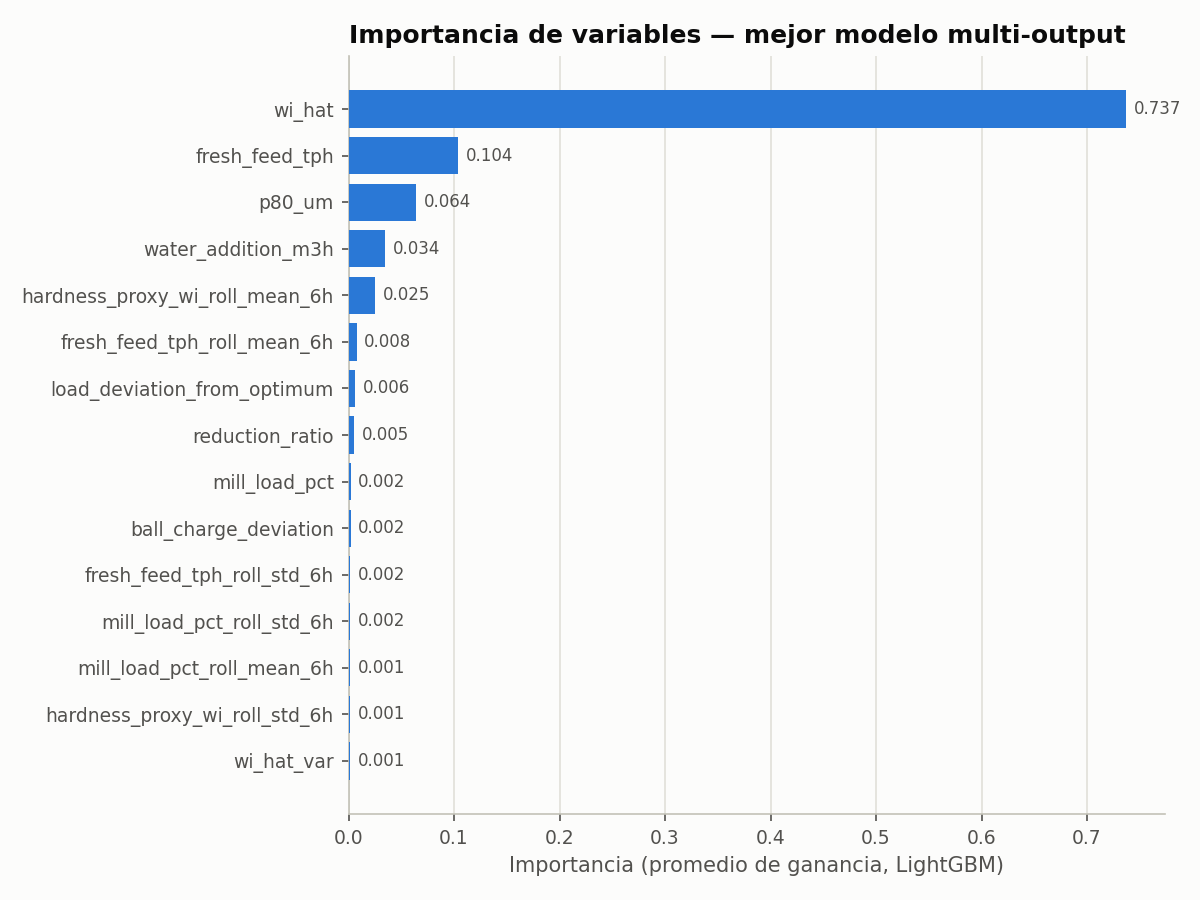
Feature importance
The single most important feature in the predictive model **is exactly

7.5 Learning curve and residuals

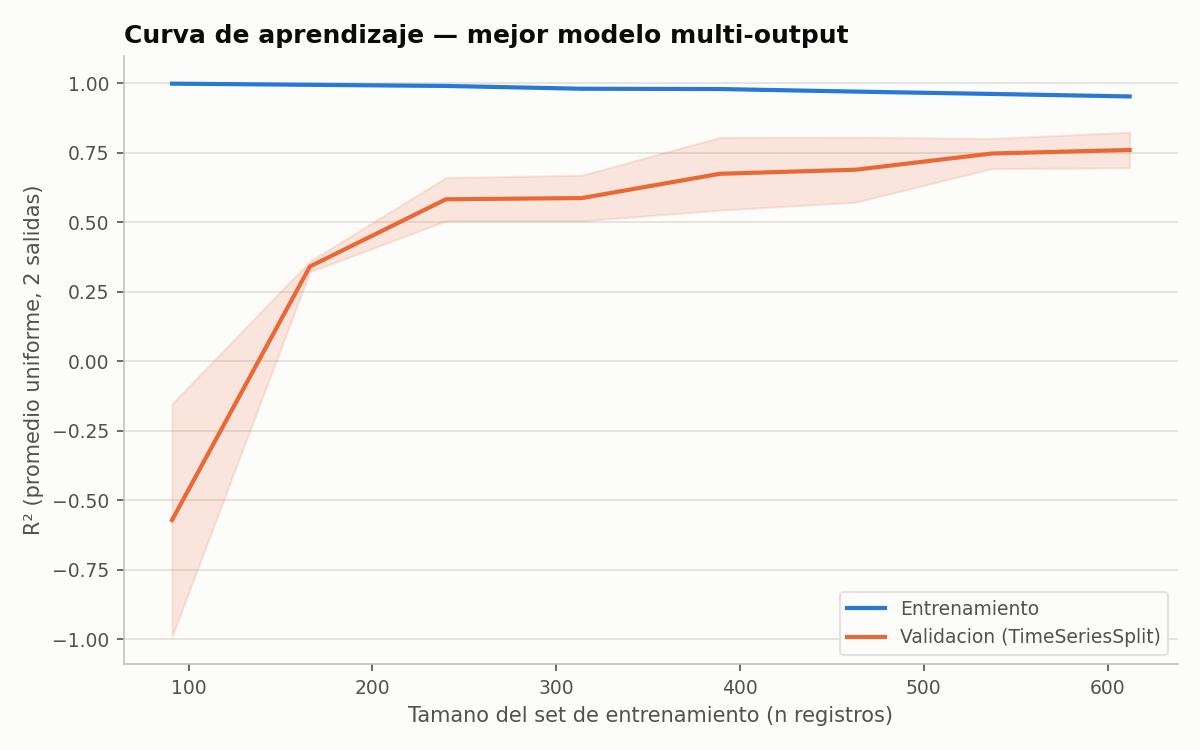
Learning curve
The validation curve stabilizes around R² ≈ 0.78-0.79 from ~500 training
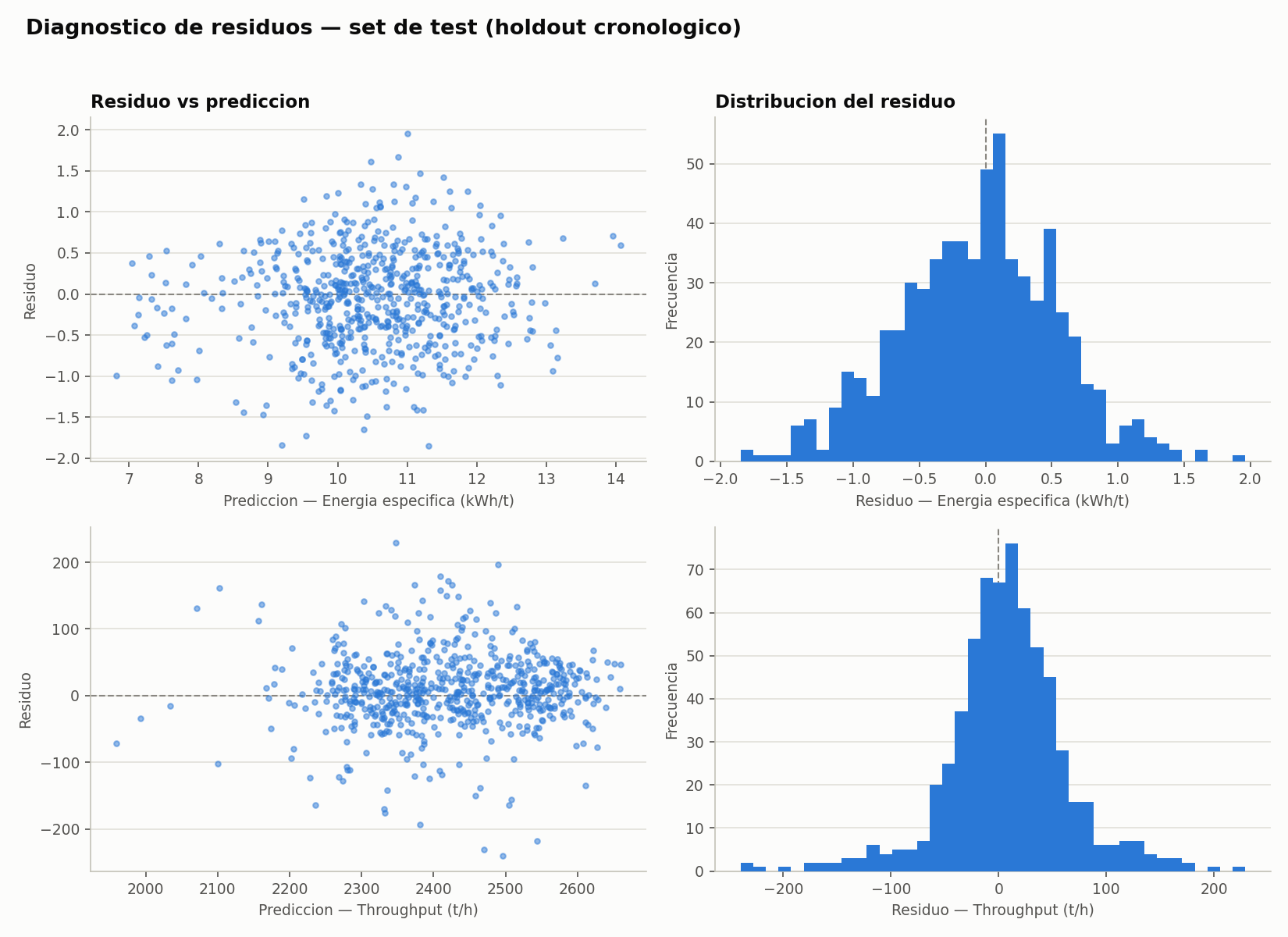
Residual diagnostics
Residuals for both outputs are symmetrically distributed around zero with

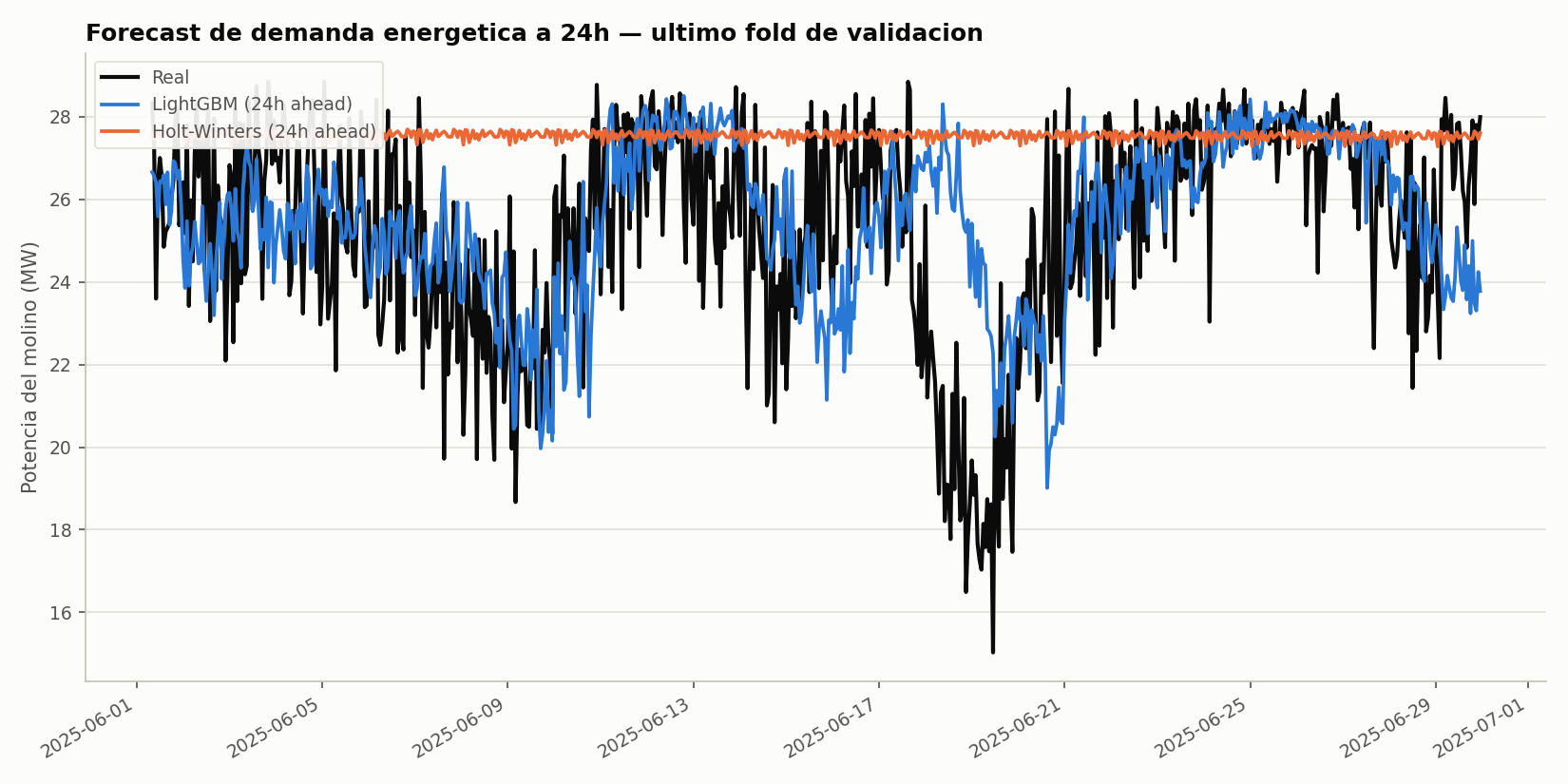
7.6 Energy demand forecasting (24h ahead)
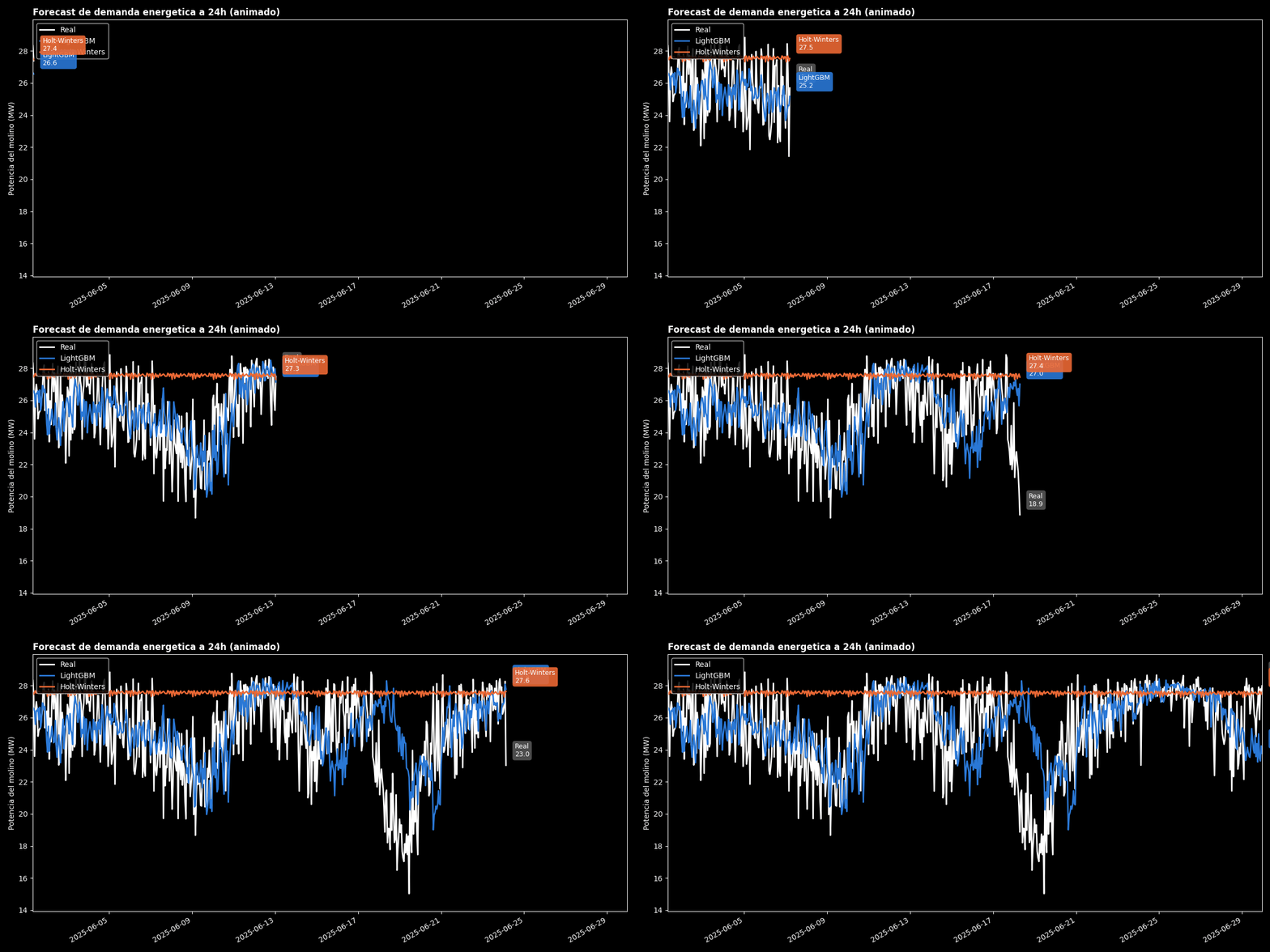
Forecasting comparison animated
Forecasting comparison
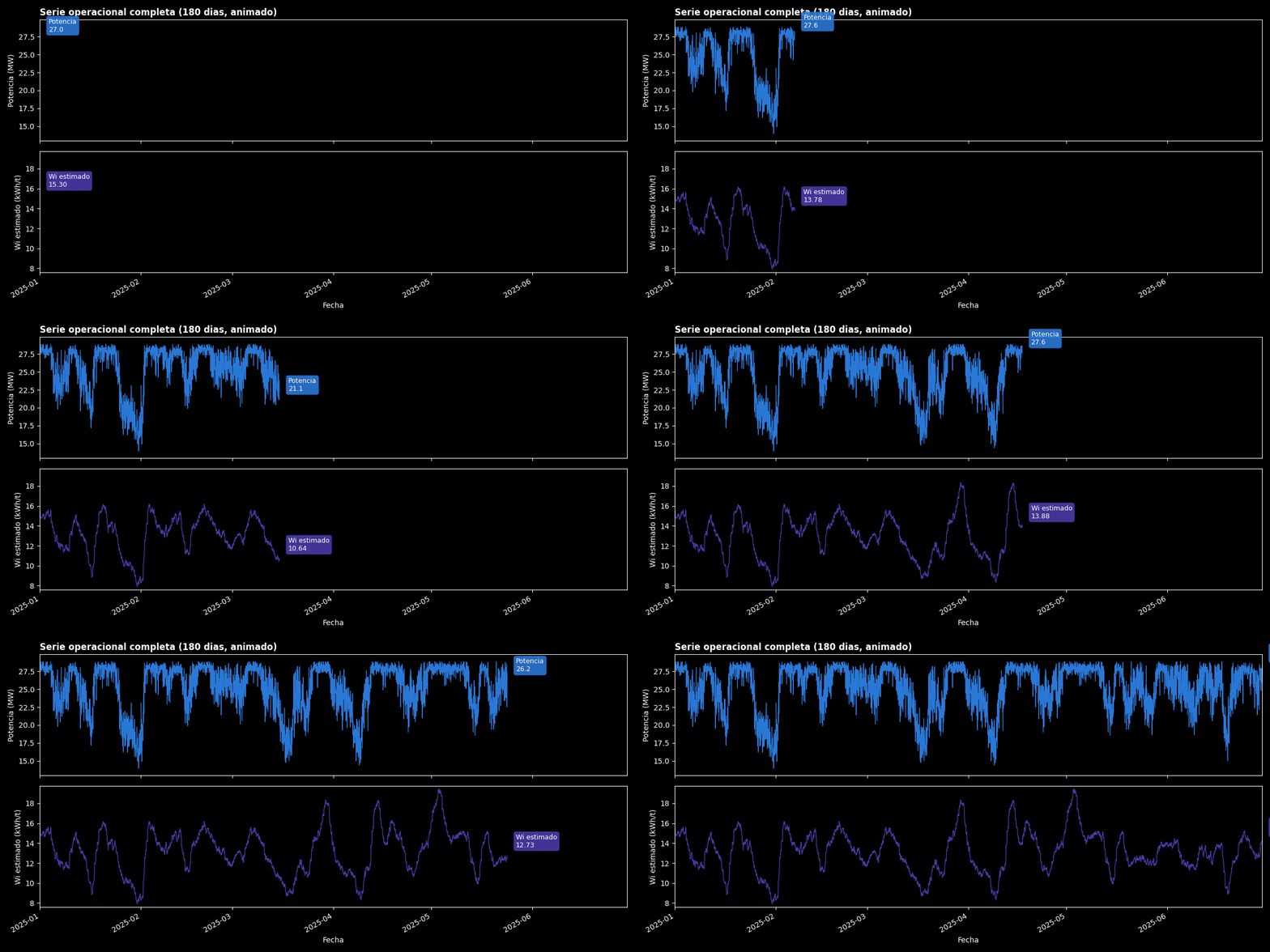
Full operational series animated
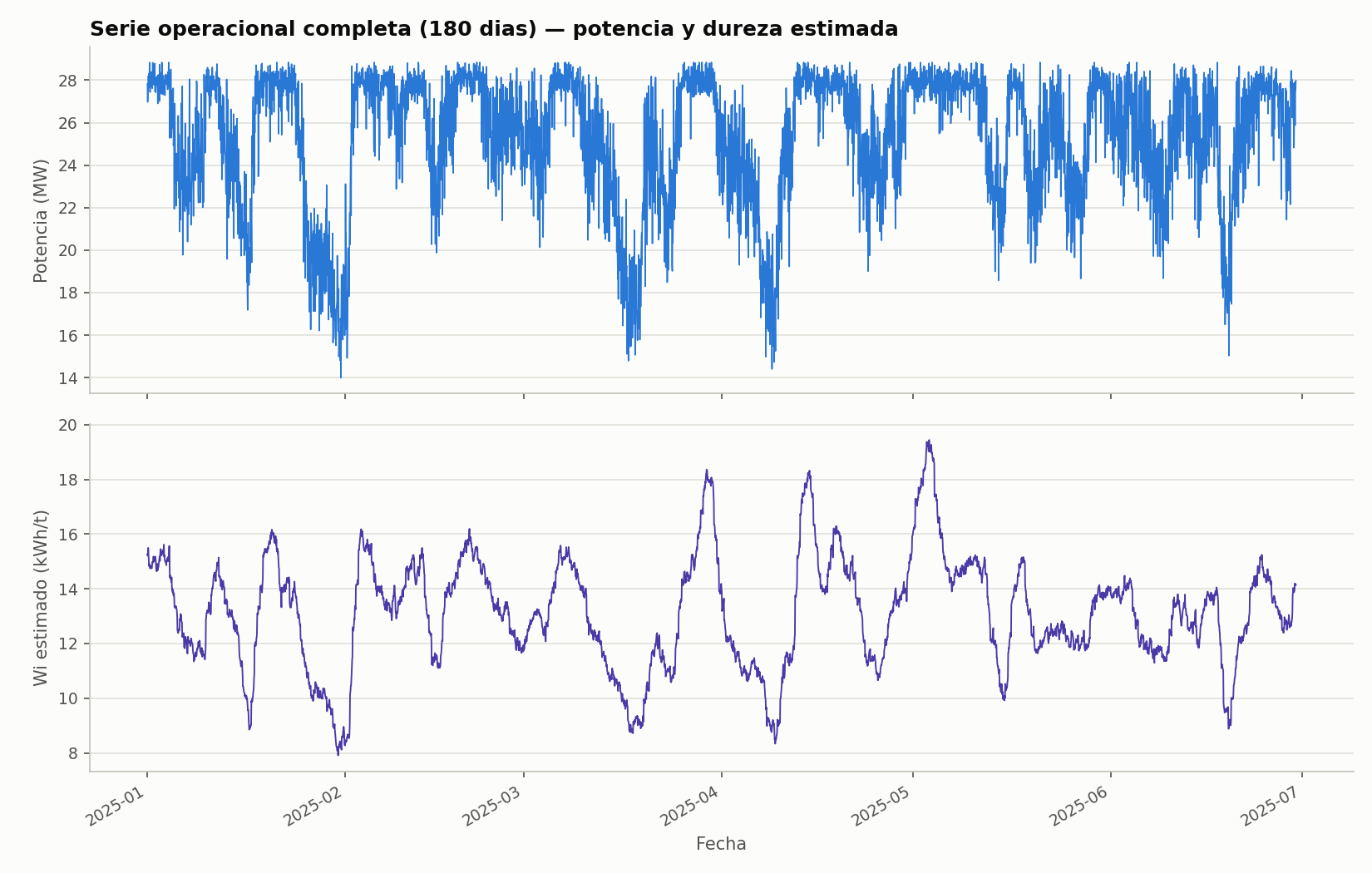
Full operational series

7.9 PyTorch MLP surrogate — activation comparison and benchmark vs. tree ensemble
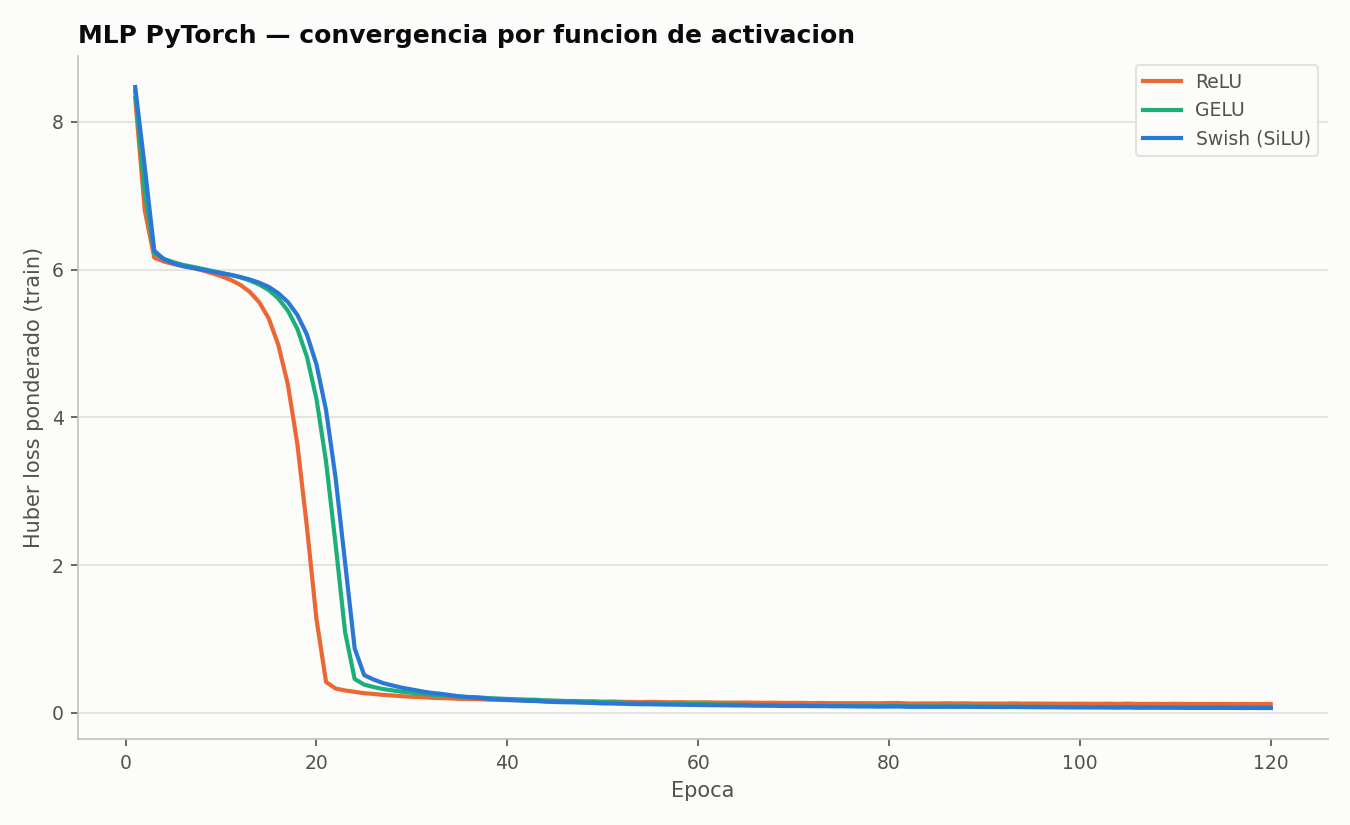
Activation comparison
Swish generalizes best of the three, narrowly ahead of GELU and clearly
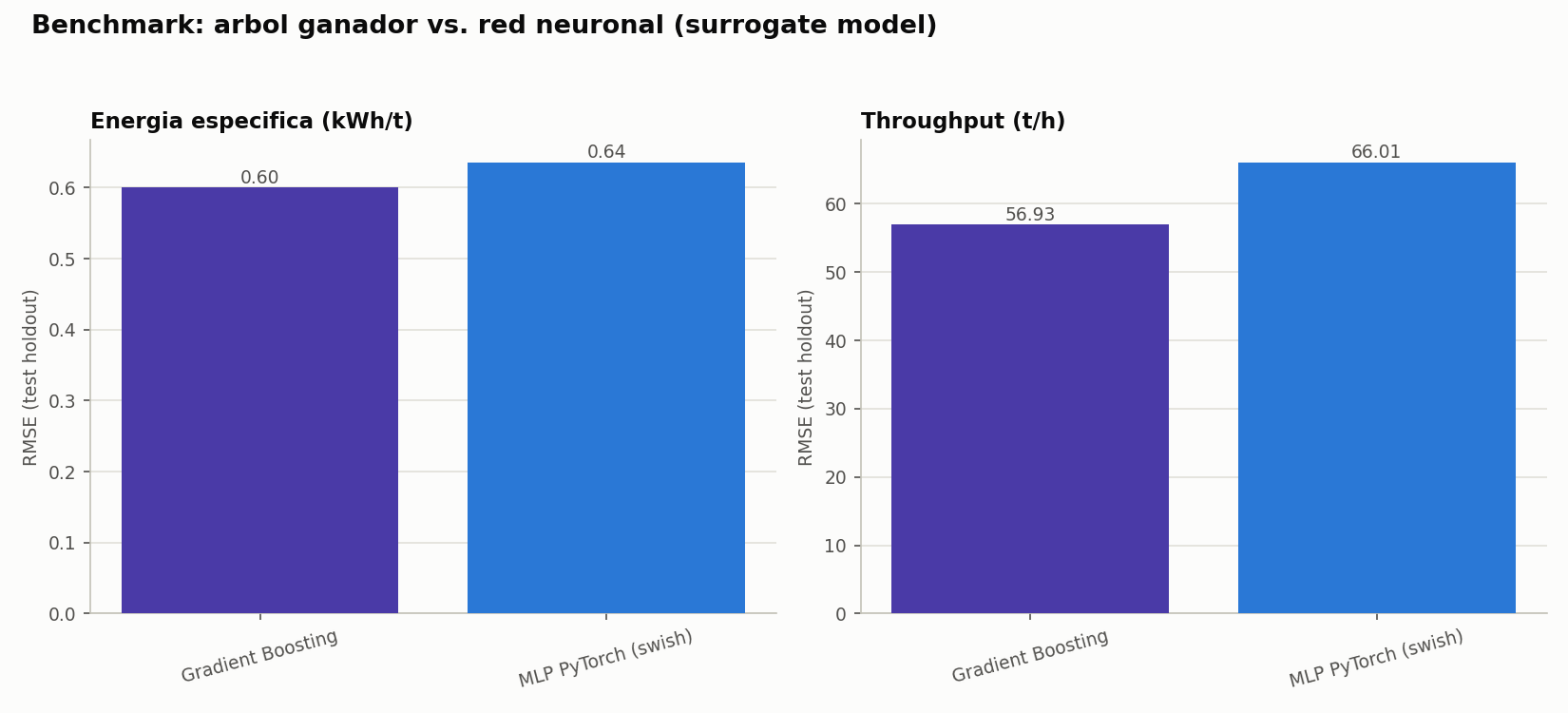
Deep learning vs. tree ensemble
The tree ensemble stays the production model — it beats the MLP on both